Choosing the right type of welding for different types of metals plays a key role in determining the quality of the welded joint. This article is intended for professional welders as well as for beginners who want to learn more about welding and choosing the right method for different materials.
Overview of basic welding types
There are many welding methods, among them:
- Arc welding: the most common and versatile welding method that uses an electric arc to heat and melt metals. Examples include manual arc welding (MMA), metal-active gas (MAG), and tungsten inert gas (TIG).
- Gas welding: an old and proven method that uses flammable gas (usually acetylene) to heat metals. Good for thin materials and parts.
- Laser welding: a modern method that uses a powerful laser to heat and melt metals. Provides high welding speed and accuracy.
Different types of metals and their properties
To choose the right type of welding, it is important to know the properties of the metals:
- Steel: has good weldability, high strength and resistance to corrosion. Often used in construction, automotive industry and shipbuilding.
- Aluminum: lightweight, strong and conducts heat well. Requires special welding techniques due to low melting point and surface oxidation.
- Copper: has high thermal conductivity and corrosion resistance, but more difficult to weld due to high melting point and oxidation.
Choosing the type of weld for each type of metal
- Steel: Arc welding (MMA, MAG or TIG) is usually the best choice for steel because it provides a strong connection and resistance to corrosion. The choice of the particular method depends on the thickness of the metal and the required welding accuracy.
- Aluminum: TIG welding is usually recommended for welding aluminum because of its high accuracy and control over the process. MAG welding can also be used, but requires the use of a special shielding gas and wire.
- Copper: TIG welding is the preferred method for copper as it provides a precise and clean weld joint. Gas welding can also be used, but requires experience and careful temperature control.
Guidelines for selecting welding equipment
The following factors should be considered when selecting welding equipment:
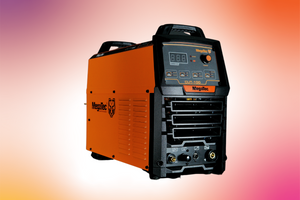
- Welding machine power: depending on the thickness of the metal and the desired welding speed, choose a machine with the right power.
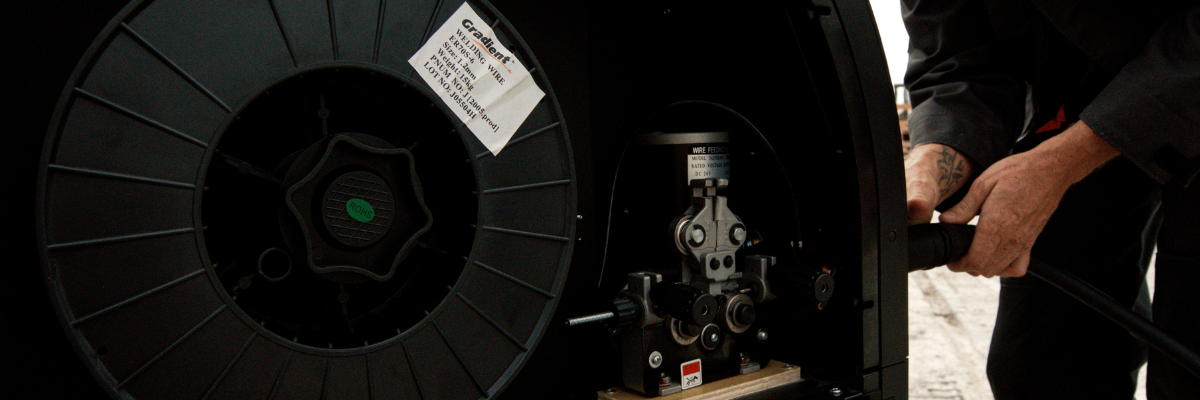
- Selection of electrodes and wires: Choose electrodes and wires that are appropriate for the type of welding and the material. For example, use special aluminum electrodes and wires for aluminum.
- Shielding gas: For MAG and TIG welding, choose the right shielding gas such as argon, carbon dioxide, or a mixture, depending on the material and welding method.
Key safety tips
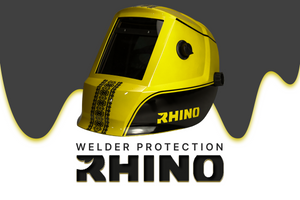
- Welding mask and gloves: always use a welding mask with automatic tinting and quality welding gloves to protect your eyes and skin.
- Ventilation: Make sure the work area is well ventilated to prevent accumulation of hazardous gases.
- Gas handling rules: follow the rules for storing and transporting gas cylinders, check equipment for leaks, and use gas detectors when necessary.
Choosing the right type of welding for different types of metals is critical to the quality of the welded joint and the longevity of the product. Considering the properties of the metals, the features and advantages of different welding methods, and following safety tips and equipment selection can greatly improve your results and prevent potential problems.