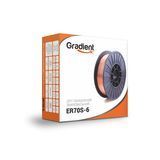

The right choice of welding wire plays an important role in the quality and durability of welded joints. Not only the type, but also the material and diameter of the wire can affect the welding result. In this article we will look at the different types of welding wire, the materials they are made from, and tips for selecting and using welding wire.
Types of welding wire
There are several types of welding wire, each with its own characteristics and uses. The most common types of welding wire are
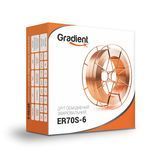
- Solid wire: This is the most common type of welding wire used in MIG/MAG welding. This wire does not contain flux and instead uses shielding gas to protect the weld pool. It is typically used for welding carbon and low alloy steels.
- Flux Cored Wire: This wire contains a flux that helps protect the weld pool from the environment. This allows flux-cored wire to be used in environments with low shielding gas quality or in an open environment. It is commonly used for welding steel, aluminum and magnesium.
- Metal-Ceramic Wire: This is a new type of wire that combines the advantages of solid and flux-cored wires. It contains a small amount of flux and provides environmental protection for the weld pool. This allows cermet wire to be used for welding under low quality shielding gas conditions or in an open environment. It is commonly used for welding steel, aluminum and magnesium.
- Aluminum Wire: This wire is made from pure aluminum or aluminum alloys. It is commonly used for welding aluminum and its alloys.
- Stainless Steel Wire: This wire is made of stainless steel and is commonly used for welding stainless steel and its alloys.
Welding wire materials
Each welding wire material has unique properties and characteristics that must meet the requirements of the particular welding process and materials being welded. Some of the most common welding rod materials are
- Carbon Steel: This is the most common welding rod material. It is commonly used for welding carbon and low alloy steels.
- Stainless Steel: This material is highly resistant to corrosion and is commonly used for welding stainless steels and their alloys.
- Aluminum: It is a light and strong material and is commonly used for welding aluminum and its alloys.
- Copper: this material has high electrical and thermal conductivity, which makes it useful for welding electrical connections.
Welding wire selection for different welding methods
The selection of the right welding rod depends on the welding method used to join the materials. Some welding methods that require special welding wire include
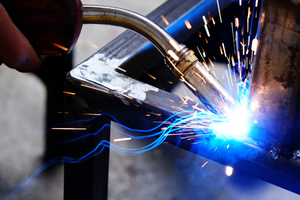
- MIG/MAG welding: This welding method uses solid or flux-cored wire, depending on the material being welded.
- TIG Welding: This welding method uses solid wire, usually made of stainless steel or aluminum.
- MMA Welding: This welding method uses an electrode that usually has a coating that protects the weld metal from oxidation.
Recommendations for Welding Wire Diameter Selection
The choice of welding wire diameter depends on the thickness of the materials to be welded and the desired welding speed. As a general rule, use thinner wire to weld thinner materials and thicker wire to weld thicker materials. For best results, select a wire diameter that matches the thickness of the materials being welded.
Tips on storing and using welding wire
Welding wire storage plays an important role in its durability and weld quality. Wire should be stored in a dry place away from moisture and corrosion. Wire should be stored in its original packaging and inspected for damage or deformation prior to use.
When using welding wire, weld speed and quality should be monitored and the wire should be replaced at the first sign of wear or damage.
In this article, we have reviewed the different types of welding wire, the materials from which they are made, and tips for selecting and using welding wire. Choosing the right welding wire is an important step in the welding process and can have a significant impact on the quality and durability of welds.